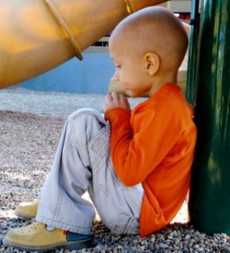
Ghana has been selected as one of the countries to benefit from a global initiative providing free, quality-assured medicines for childhood cancers.
The programme, led by the Global Platform for Access to Childhood Cancer Medicines—a joint initiative by the WHO, St Jude Children’s Research Hospital (USA), and UNICEF—will see Ghana receive essential cancer treatment drugs for children at little or no cost over the next two to three years. The medicines will be available for all forms of childhood cancers.
Ghana is now among 12 countries globally and the third in Africa to participate in the initiative.
Validation of Treatment Guidelines
The announcement was made by Professor Lorna Awo Renner, President of the Childhood Cancer Society of Ghana, during a stakeholder validation meeting aimed at reviewing and endorsing the country’s first-ever comprehensive Guidelines for Childhood Cancer Treatment.
Developed by the Childhood Cancer Society of Ghana, with support from World Child Cancer, WHO Ghana, Clinton Health Access Initiative, and the Ghana Health Service, the guidelines were created through a collaborative effort involving paediatric surgeons, oncologists, nurses, pharmacists, neurosurgeons, radiation oncologists, and orthopaedic surgeons.
Professor Renner described the initiative as a breakthrough for the country, assuring that the medicines are high-quality and tested, unlike previously imported drugs from private pharmaceutical firms with uncertain contents.
“These are quality-assured. They have been used elsewhere, and we have forecasted Ghana’s needs accordingly,” she said.
Impact on Childhood Cancer Treatment
According to Professor Renner, the initiative will significantly improve access to care and reduce the financial burden on families.
“Previously, about 30 per cent of parents could not continue treatment. They would start and then stop, and the children’s conditions would worsen,” she explained.
“With these free medicines, children can complete treatment without families selling personal belongings to pay for drugs. This dramatically increases the chances of cure and gives many children the opportunity to live normal lives.”
While the medicines are provided at no cost, Professor Renner noted that the Ministry of Health will cover additional expenses such as clearance from the port and distribution to treatment sites. She emphasised that treatment involves more than drugs, including investigations, surgery, radiotherapy, and other supportive care, and called on benevolent organisations to continue supporting these aspects.
Advice to Parents
Professor Renner urged parents to seek prompt medical attention for children showing unusual symptoms, such as:
-
White spot in the eye (even in children under one year old)
-
Swelling in the neck, arms, or abdomen
-
Unexplained weight loss
-
Severe anaemia without sickle cell disease
-
Blood in urine or bleeding from the nose or mouth
“Childhood cancer is highly curable, often more so than adult cancers. Early detection gives hope for a full cure,” she assured.